Where to Buy Trailer Wiring Harness: Smart Buyer Guide
Home » Where to Buy Trailer Wiring Harness: Smart Buyer Guide
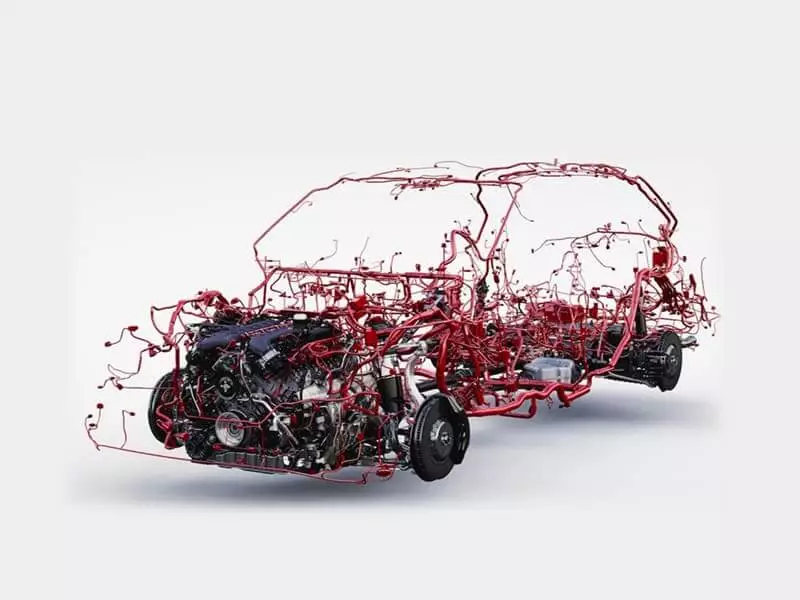
The trailer wiring harness is responsible for transmitting signals—such as lights and brakes—from the tow vehicle to the trailer, and it directly affects the trailer’s driving safety. Purchasing the wrong specifications, using incompatible connectors, using wires that are too thin, or having insufficient waterproofing can lead to risks such as lights failing to illuminate, poor connections, short circuits, and blown fuses.
Are you also struggling with these issues? This guide will provide insights from both a purchasing and usage perspective, telling you where to buy, how to choose, how to assess quality, and how to calculate the true cost, among other things. It will help you make the right choices like a professional buyer.
Where Can You Buy a Trailer Wiring Harness?
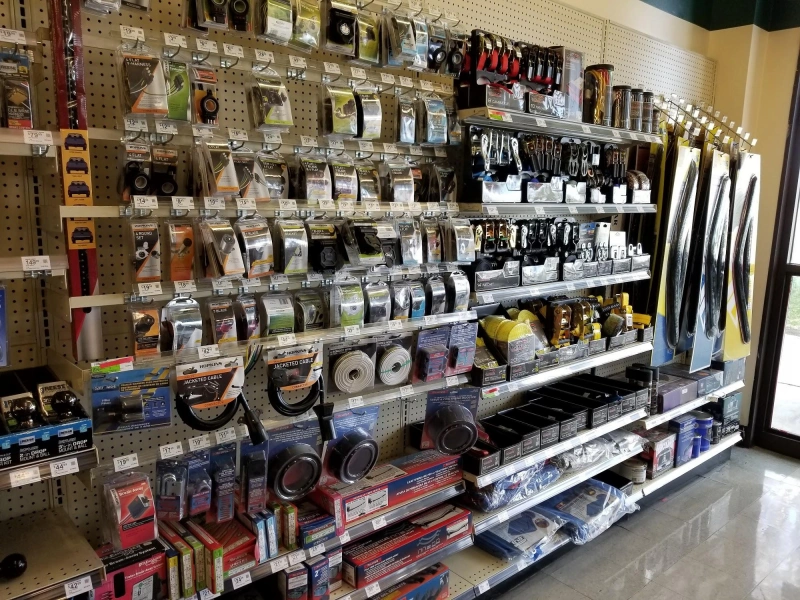
You can purchase trailer wiring harnesses from auto parts stores, trailer dealers, specialty trailer electrical retailers, OEM channels, and wiring harness manufacturers. The key is whether these sources can help you match the vehicle, trailer, connector type, pinout, and determine whether an adapter module is needed.
Local auto-parts and trailer dealers
If you need to replace a wiring harness urgently, local auto parts stores and trailer dealers may be practical options. You can provide the vehicle’s make, model, and year, along with a photo of the trailer connector, so that sales staff can help you identify a compatible product.
This approach may be suitable for routine repairs, replacing damaged connectors, or purchasing standard-spec products. However, you should also verify compatibility.
Tip: For modern vehicles equipped with CAN Bus, the trailer connection on the side of the vehicle may involve specialized modules or compatibility with the vehicle’s electrical system. In such cases, it’s best to prioritize purchasing products based on the compatibility information provided by the vehicle manufacturer or the wiring harness manufacturer.
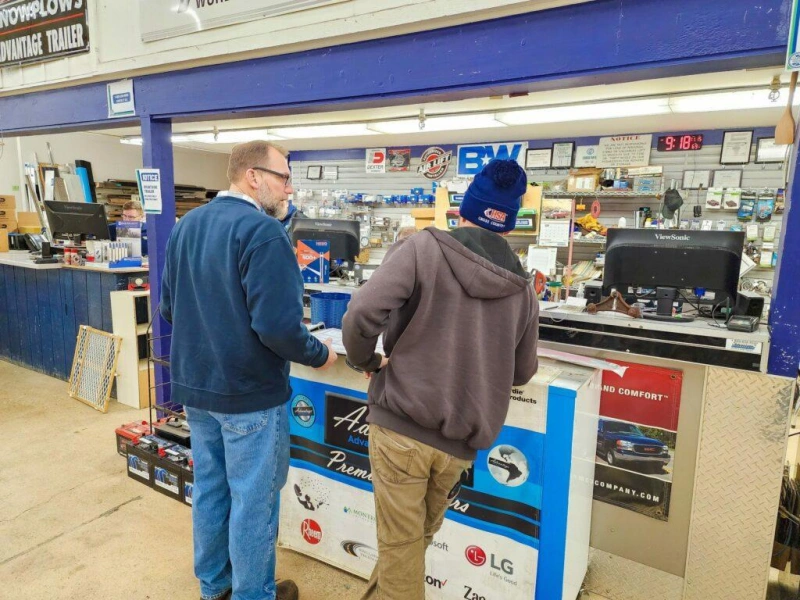
Online retailers and specialist towing stores
If you already know the specific configurations of your vehicle and trailer, you can choose from specialized online retailers and stores that sell trailer electrical supplies. They may categorize products by “Vehicle-Side Wiring,” “Trailer-Side Wiring,” “Adapters,” “Brake Controller Wiring,” and so on, and then allow you to filter by connector types such as 4-way, 5-way, 6-way, and 7-way.
When shopping online, we recommend that you prioritize checking the product’s vehicle fitment, connector type, pinout, harness length, whether it includes an adapter, and installation instructions—rather than focusing solely on price and product images.
Electrical distributors and OEM replacement channels
If you are a repair shop, fleet operator, equipment manufacturer, or conducting bulk replacements, electrical distributors and OEM replacement channels may be more suitable.
These channels are ideal for situations involving damaged original wiring harnesses, repairs for discontinued models, equipment maintenance, or cases where the original installation configuration must be preserved. You will need to provide the original wiring harness part number, the vehicle’s VIN, photos of the original wiring harness, or a BOM/engineering drawing.
Please note that OEM channels prioritize original equipment compatibility over the lowest price.
Tip: For standard utility trailers that only require basic taillight and turn signal functionality, purchasing a complete OEM replacement assembly may not be necessary. However, for equipment with high maintenance requirements, OEM or specialized replacement parts may be a better option.
Direct-from-manufacturer and custom harness suppliers
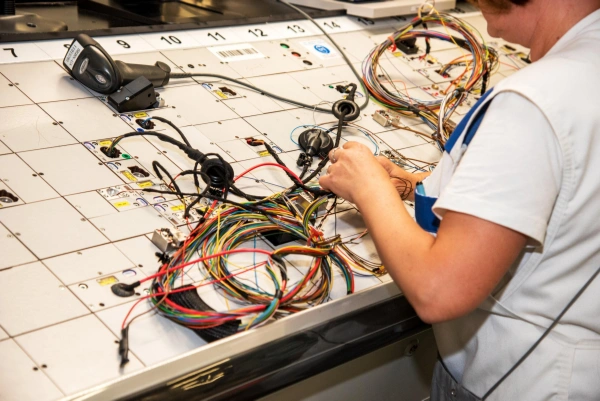
If you are a distributor, trailer manufacturer, repair chain, equipment manufacturer, or need to purchase in bulk, a trailer wiring harness manufacturer is the better choice.
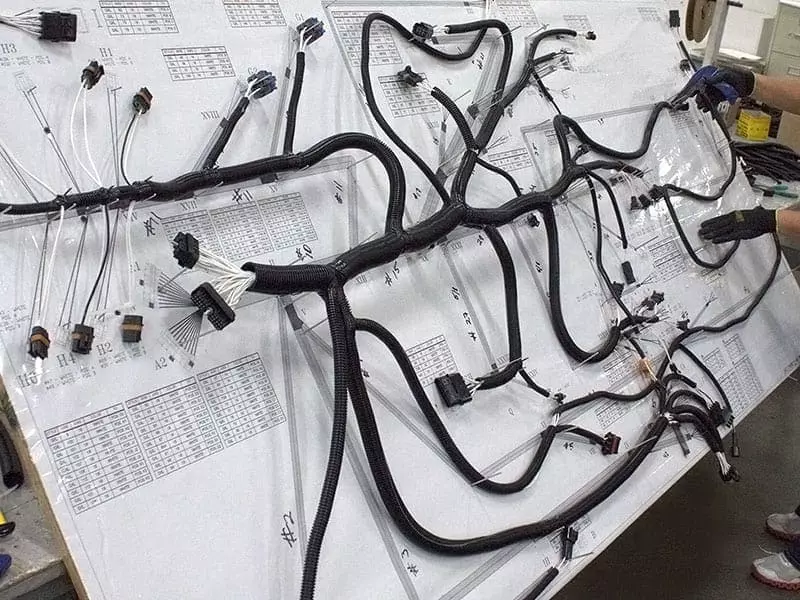
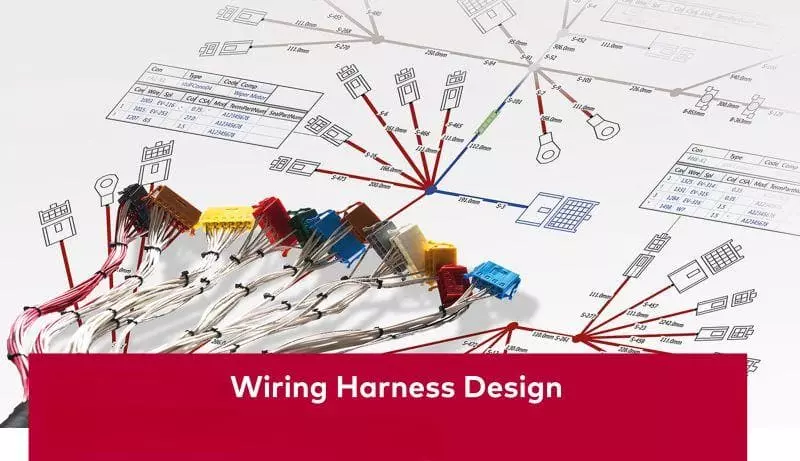
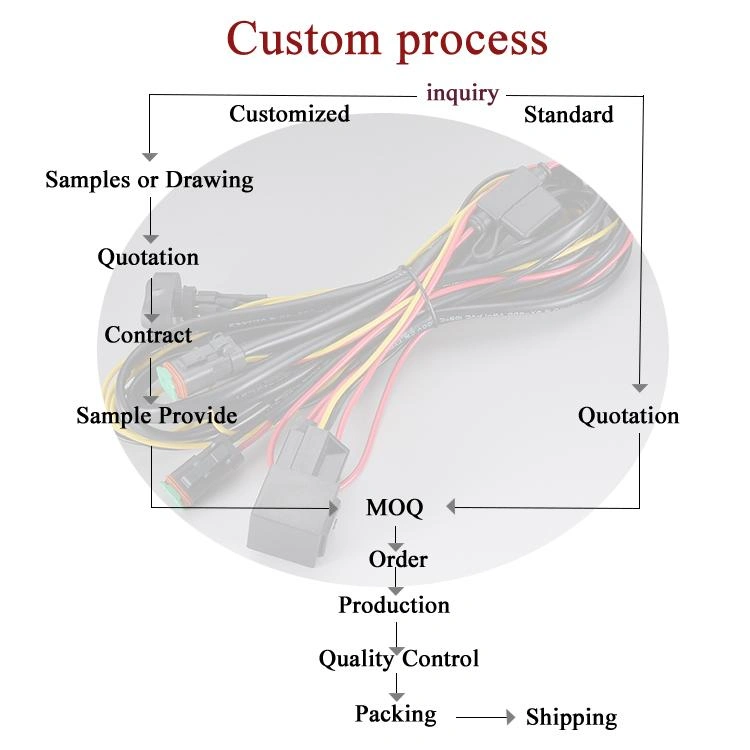
Manufacturers will design and produce products based on your BOM, engineering drawings, samples, or specific technical requirements. Professional manufacturers offer a complete process ranging from design, BOM evaluation, sample development, and reliability verification to mass production. There are also manufacturers that specialize in providing trailer wiring harnesses that meet regional specifications and offer customization.
Which Buying Channel Best Fits Your Order?
When choosing a supplier for trailer wiring harnesses, you should consider availability, technical support, pricing, MOQ, and lead time.
Compare availability, technical support, pricing, MOQ, and lead time
| Purchase Factor | Standard Replacement Harness | Vehicle-Specific Harness | Custom Harness | Production Harness |
|---|---|---|---|---|
| Availability | High Priority: Choose retailers or auto-parts stores with stock. | Medium-High: Confirm vehicle fitment before buying. | Lower: Sampling or production may be required. | Medium: Focus on stable supply capacity. |
| Technical Support | Basic connector, pinout, and specification checks are usually sufficient. | Very Important: Confirm vehicle, pinout, connector, and module requirements. | Very Important: Requires support for wires, terminals, connectors, branches, and design. | Very Important: Requires engineering, quality, and production support. |
| Pricing | Compare unit price and shipping cost. | Compare product price and installation cost. | Consider materials, labor, sampling, and tooling costs. | Focus on unit cost and long-term purchasing cost. |
| MOQ | Suitable for single-unit purchases. | Available for single or small-quantity orders. | Confirm MOQ in advance. | Negotiate based on supplier and project requirements. |
| Lead Time | Prioritize stock availability and delivery speed. | Confirm stock and actual lead time after fitment verification. | Allow time for engineering, sampling, material sourcing, and production. | Focus on stable and predictable production lead times. |
| Best Channel | Local auto-parts stores / Online retailers | Trailer electrical suppliers / OEM replacement suppliers | Custom wire harness manufacturers | OEM suppliers / Professional wire harness manufacturers |
| Key Decision | Can you get the correct product immediately? | Does it truly fit your vehicle? | Can the supplier meet your requirements? | Can the supplier deliver consistently over the long term? |
Best options for one replacement, fleet spares, and production orders
| Order Type | Recommended Channel | Key Focus | Information to Prepare | What to Avoid |
|---|---|---|---|---|
| One Replacement | Local auto-parts stores, trailer dealers, professional online retailers | Fitment + Stock + Lead Time | Vehicle make/model/year, connector type, pinout, original harness photos, part number | Customizing one standard harness and taking on unnecessary MOQ, sampling, and development costs |
| Fleet Spares | Specialized suppliers, OEM replacement channels, wire harness manufacturers | Standardization + Supply Stability + Replenishment | Part number, connector, pinout, wire length, wire gauge, product revision, estimated demand | Buying different brands or specifications each time, creating inventory and maintenance issues |
| Production Order | Professional trailer wiring harness manufacturers, OEM suppliers | Engineering + Quality + Cost + Long-Term Delivery | Drawing, BOM, wire list, connector part number, pinout, order quantity, testing requirements | Comparing only MOQ or unit price while ignoring material stability, process consistency, and supply capability |
| Long-Term Bulk Purchasing | Professional manufacturers with engineering and mass-production capabilities | Supply Chain Stability + Revision Control + Repeatability | Controlled BOM, drawing revisions, change records, annual demand forecast | Choosing a supplier with low MOQ but no guarantee of consistent future production |
What Information Do You Need Before Buying?
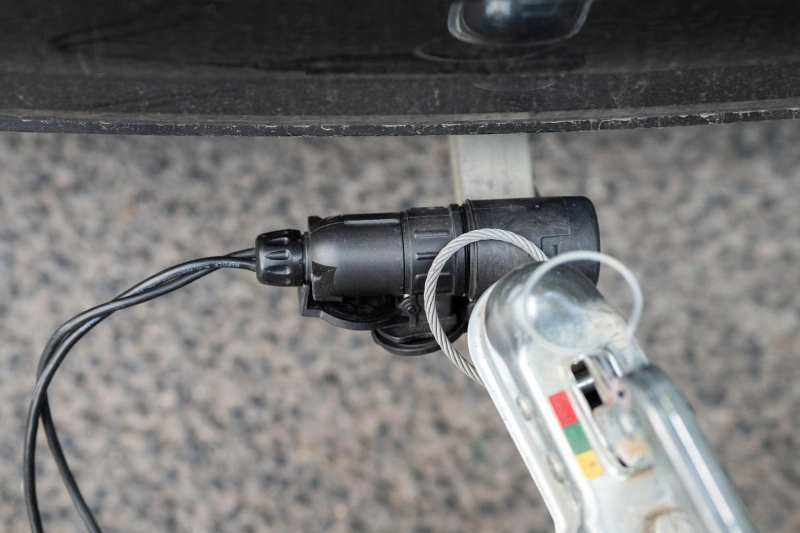
Before purchasing a trailer wiring harness, it’s best not to simply tell the supplier what you want. The correct approach is to match the electrical functions of the tow vehicle and the trailer at both ends.
Vehicle year, make, model, tow package, and connector location
Step 1: Confirm the vehicle information.
A “Tow Package” is a set of components for towing functionality, which may include a tow socket, a dedicated wiring harness, and a tow control module. If your vehicle comes factory-equipped with a tow interface or a complete wiring system, you may only need to install a wiring harness designed specifically for your model. If your vehicle lacks the necessary configuration, you may need to install additional adapters, modules, or power lines.
Step 2: Confirm the connector location.
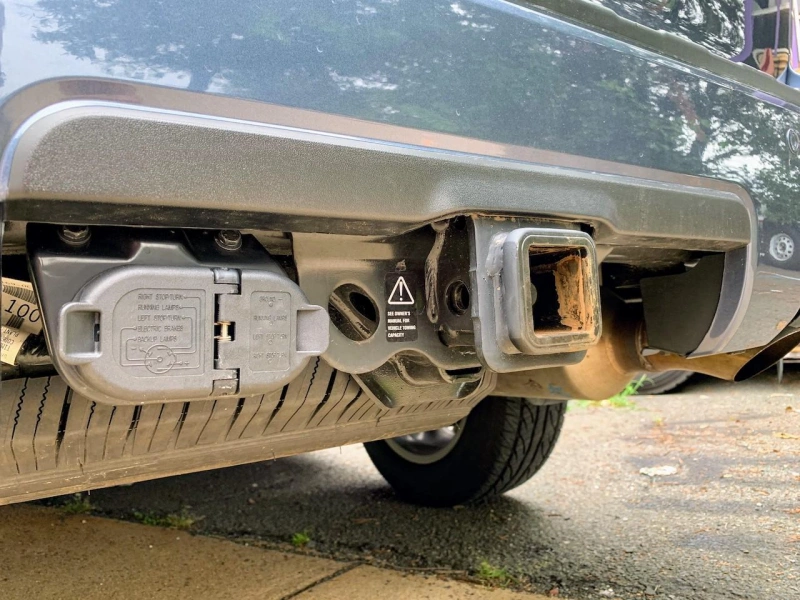
Some tow sockets are located near the rear bumper or next to the tow hook, while others are hidden in the trunk or inside the vehicle body. This location affects the length of the wiring harness, the installation method, and the type of connector.
If you’re unsure whether your vehicle has a tow package, you can check the vehicle specifications, the owner’s manual, or the model configuration associated with the VIN. You can also inspect the rear of the vehicle to see if there is a factory-installed tow connector and pre-wired harness.
Tip: Different connectors may have 4, 5, 6, or 7 pins, but their specific functions and pin assignments may not be exactly the same; therefore, you cannot rely solely on the number of pins or wire colors to make a determination.
Trailer plug, circuit count, brake controller, and auxiliary-power needs
1.After confirming the vehicle information, you’ll also need to know the type of trailer plug and how many electrical circuits are required. “Circuit Count” refers to the number of electrical functions that need to be transmitted independently; it determines whether you need a 4-pin, 5-pin, 6-pin, or 7-pin connector.
Tip: A 4-way connector is primarily used for basic lighting functions, including taillights/parking lights, left and right turn signals/brakes, and ground. A 5-way connector adds one additional functional circuit to the basic lighting functions; common applications include the reverse lockout feature for trailers equipped with hydraulic overrun brakes. 6-way and 7-way connectors provide even more functions, such as electric brakes, 12V auxiliary power, and reverse lights.
2. Don’t just look at the trailer plug to determine which wiring harness you need; instead, confirm which features the trailer actually requires. If the trailer only has basic lights, a 4-Way harness may be sufficient. If the trailer has electric brakes, you’ll need to confirm whether your vehicle is equipped with a brake controller or a corresponding braking control system. If the trailer also requires auxiliary power for battery charging, interior lighting, a winch, or other purposes, you’ll need to determine whether a separate 12V auxiliary power circuit is necessary.
3. A brake controller is a device used to regulate the output of a trailer’s electric braking system. It serves as the control interface between the towing vehicle and the trailer’s electric braking system. If your trailer uses electric brakes, when purchasing a wiring harness, you must verify that the vehicle end has the appropriate brake controller, a reserved interface, or a compatible module, and that the trailer end actually uses an electric braking system.
4. For auxiliary power, you must first clarify your power requirements. Some trailers may need to power in-trailer equipment, charge the trailer battery, or supply power to other auxiliary devices. Current requirements, wire gauge, fuse protection, and connection methods may vary depending on the application, so you cannot simply share a standard lighting circuit.
Note: A 7-way connector may provide a dedicated 12V auxiliary power circuit, but the specific pin functions must be verified in the connector’s pinout and product specifications.
Plug-and-Play vs Universal Harness: Which Should You Choose?
When selecting a trailer wiring harness, you may come across Plug-and-Play / Vehicle-Specific Harnesses and Universal Harnesses.
The differences between them lie in their installation methods, vehicle compatibility, and electrical integration. Plug-and-Play harnesses use connectors that match the vehicle’s original factory interfaces; Universal Harnesses require you to identify the vehicle’s actual wiring, locate the signals, and make the connections accordingly.
Installation time, splicing risk, serviceability, and cost
| Comparison Factor | Plug-and-Play / Vehicle-Specific | Universal Harness |
|---|---|---|
| Installation Method | Connects directly to vehicle-specific interfaces. | Requires on-site wiring or splicing. |
| Installation Time | Faster and easier. | Requires more wire identification and connection work. |
| Wiring Risk | Lower, with less on-site splicing. | More dependent on proper wiring, crimping, and sealing. |
| Maintenance | Clearer connections make removal and troubleshooting easier. | More connection points can make troubleshooting more complex. |
| Vehicle Compatibility | Designed for specific vehicle models, years, and configurations. | Broader compatibility, but vehicle wiring must be verified. |
| Initial Cost | Higher. | Lower. |
| Installation Flexibility | Limited by vehicle configuration and dedicated interfaces. | More flexible and adaptable to different vehicles. |
| Best For | Vehicles with a matching harness, quick installation, or long-term use. | Vehicles without a dedicated harness, older models, or special modifications. |
| Key Advantage | Easy installation, clear fitment, and less on-site rewiring. | Broad compatibility, flexibility, and lower initial cost. |
| Key Consideration | Confirm the exact vehicle model, year, and configuration. | Correctly identify vehicle wiring and ensure proper connection, insulation, and sealing. |
When a custom harness is justified
A custom harness refers to a harness that has been redesigned to meet the specific requirements of your vehicle, equipment, or project in terms of wire length, connectors, branching structure, and circuit configuration.
If your vehicle is a special model or a modified vehicle, there may not be a matching vehicle-specific harness available on the market. Or perhaps your installation space is unique and requires specific lengths or branching locations. Alternatively, you may need special connectors, additional circuits, special protective structures, or mass production. In these cases, a custom harness may be a better fit.
For a one-time installation in a single vehicle, do not readily opt for a custom harness. This is because you need to consider processes such as engineering validation, prototyping, material procurement, and production.
For fleets, trailer manufacturers, equipment manufacturers, or long-term buyers, custom harnesses allow you to standardize connectors, pinouts, wire lengths, branch positions, and versions, thereby reducing the uncertainty associated with on-site wiring modifications each time.
How Can You Judge Harness Quality Before Purchase?
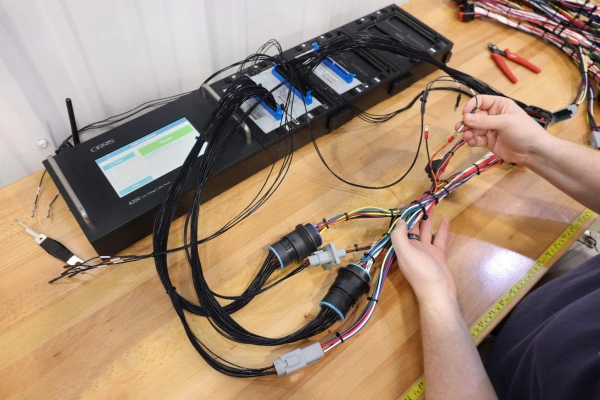
When purchasing a trailer wiring harness, you need to evaluate whether the harness’s conductors, insulation, terminals, sealing structure, strain relief, and final testing are suitable for the actual operating environment and electrical load.
You can inspect the components in the following order: Wire → Insulation → Terminal → Seal → Strain Relief → Protection → Testing.
Wire size, copper quality, insulation, terminals, seals, and strain relief
| Inspection Item | What to Confirm | Why It Matters | How to Judge |
|---|---|---|---|
| Wire Size | AWG / mm² and circuit | Current capacity and voltage drop | Confirm the actual wire specification |
| Copper Quality | Material, size, and strands | Resistance, heat, and durability | Check wire specs and conductor size |
| Insulation | Material and ratings | Prevents shorts and damage | Check ratings and sample condition |
| Terminals | Type and crimp quality | Prevents heat and poor connections | Check terminals and crimp quality |
| Seals | Seal structure and material | Helps block moisture and dust | Check seals and cable exits |
| Strain Relief | Cable support and protection | Reduces stress on connections | Check cable entry and support |
| Overall Construction | Layout, branches, and protection | Affects long-term reliability | Check workmanship and fitment |
Weather resistance, corrosion protection, testing, and warranty evidence
Weather resistance should be a key consideration before making a purchase. Weather resistance refers to a wiring harness’s ability to function normally under conditions such as rain, moisture, dirt and sand, temperature fluctuations, UV radiation, and road contaminants. You need to confirm the actual installation location and operating environment of the wiring harness.
- Corrosion protection should not be assessed solely by whether the terminals are plated. Connector terminals, crimped areas, connector seals, and exposed metal parts are all susceptible to moisture, salt, and contaminants. You should inquire with the supplier about terminal materials/surface treatments, connector sealing methods, and relevant environmental testing.
Testing is a key indicator of whether a supplier truly maintains quality control. You should focus on electrical continuity, short-circuit and miswiring checks, the condition of connectors and terminals, and other verifications based on the product design.
A warranty can serve as supplementary evidence of a supplier’s quality control, but the length of the warranty period alone should not be taken as proof of product quality. It is more valuable to assess whether the scope of the warranty is clearly defined.
How Do You Compare the True Purchase Cost?
When purchasing a trailer wiring harness, the procurement cost is not the same as the unit price. When comparing supplier quotes, it is more appropriate to calculate the total cost of ownership.
Product price, adapters, tools, labor, downtime, freight, and returns
| Cost Item | What It Includes | Why It Matters | How to Judge |
|---|---|---|---|
| Product Price | Harness, connectors, plugs, and accessories | Prices vary by supplier and configuration | Confirm what is included in the quote |
| Adapters | Adapters and extra connectors | Mismatch adds cost and connection points | Check for a direct-fit Vehicle-Specific Harness |
| Tools | Wire strippers, crimpers, heat guns, etc. | Universal Harnesses may require extra tools | Check your existing tools and installation needs |
| Labor | Wiring, crimping, installation, and testing | Longer installation increases total cost | Compare installation time × labor rate |
| Downtime | Waiting, rework, and vehicle downtime | Can significantly affect fleet and repair operations | Check lead time, stock, fitment, and supply stability |
| Freight | Shipping, packaging, and transport costs | Can significantly affect unit cost | Compare Delivered Cost, not just product price |
| Returns | Return shipping, replacement, and rework | Fitment or pinout errors can add unexpected costs | Confirm specifications and return policies before buying |
What Should B2B Buyers Ask a Supplier?

For B2B buyers, if you plan to restock on an ongoing basis, use the products for a fleet, or incorporate them into an OEM project, you need to confirm the following:
- Does the supplier have stable production capacity?
- Can each batch be traced?
- Are product changes properly controlled?
- Do the samples match the mass-produced products?
- How are after-sales issues handled?
Capacity, traceability, change control, samples, documentation, and support
| Evaluation Item | What to Ask | Why It Matters | Best For |
|---|---|---|---|
| Capacity | Production capacity, equipment, key material supply, and expansion capability | Helps ensure stable delivery for future orders | Fleets, distributors, OEMs, bulk orders |
| Traceability | Batch numbers, production records, and inspection records | Helps identify affected batches and root causes | OEMs, fleets, long-term purchasing |
| Change Control | Advance notice for material, connector, or process changes | Prevents unapproved specification changes | Long-term supply, OEMs |
| Samples | Sample approval, testing, and consistency with mass production | Verifies the actual product meets requirements | Custom Harnesses, OEMs, bulk orders |
| Documentation | Drawings, BOM, Pinout, Wire List, specifications | Prevents unclear specifications and purchasing errors | Custom/OEM projects |
| Technical Support | Engineering support, issue handling, and specification confirmation | Reduces technical risks during installation and production | Complex Harnesses, OEMs, bulk purchasing |
A short RFQ checklist for fleet and OEM orders
| RFQ Item | Information to Provide / Confirm |
|---|---|
| Application | Vehicle, trailer, or specific application |
| Vehicle Information | Year / Make / Model / Trim / Tow Package |
| Connector | Vehicle-side and trailer-side connector type and model |
| Pinout | Electrical function of each pin |
| Circuit Requirements | Lighting, brake, auxiliary power, reverse, and other circuits |
| Wire Specification | AWG / mm², conductor material, and insulation requirements |
| Harness Length | Overall length and key branch lengths |
| Branch Layout | Number, location, and routing requirements |
| Terminal / Seal | Terminal, seal, and related requirements |
| Drawing / BOM | Provide if available and confirm revision number |
| Testing | Required electrical and other validation tests |
| Sample Requirement | Sample quantity, approval method, and approval requirements |
| Quantity | Sample quantity, initial order quantity, and estimated annual volume |
| Packaging | Individual packaging, labels, carton specifications, etc. |
| Delivery | Delivery location, target lead time, and delivery method |
| Quality / Traceability | Batch traceability, inspection records, and related requirements |
| Change Control | Advance notice and approval requirements for changes |
| Warranty | Warranty coverage and issue-handling process |
Tip: Based on our many years of industry experience, if you simply tell a supplier “7-pin trailer wiring harness, 1,000 pcs,” the supplier may choose the connector, wire gauge, or pinout based on their own interpretation, resulting in quotes from different suppliers that are actually for different products.
Frequently Asked Questions
Q1: Can you buy a trailer wiring harness by VIN?
Yes, but there’s no guarantee that you’ll be able to purchase the correct wiring harness based solely on the VIN. The VIN helps confirm the vehicle’s specific configuration, but you should still verify the model year, tow package, side connectors, connector types, and actual wiring requirements.
Q2: Are trailer wiring harnesses universal?
Not exactly. Although the Universal Harness is compatible with a wide range of vehicles, you still need to identify the vehicle’s wiring and make the necessary connections. The Vehicle-Specific Harness is designed for specific vehicle models and configurations. You can’t assume that harnesses are interchangeable just because they both have 4 or 7 pins; you also need to verify the connector and pinout.
Q3: Is a dealer harness better than an aftermarket harness?
Not necessarily. While dealer/OEM harnesses may have specific vehicle compatibility, high-quality aftermarket harnesses can also meet practical needs. You should compare connectors, pinouts, wire specifications, installation methods, quality verification, and price, rather than judging quality solely based on the sales channel.
Q4: When should you order a custom trailer harness?
Consider a custom harness only when standard vehicle-specific or universal harnesses do not meet your requirements.
Conclusion: Where to Buy Trailer Wiring Harness: Smart Buyer Guide
By now, you should have a good understanding of how to select a trailer wiring harness. Whether you’re a private car owner making a one-time replacement or a business making a bulk purchase, understanding the pros and cons of different channels is crucial for making an informed purchasing decision.
When making a purchase, choosing the right trailer wiring harness requires a comprehensive consideration of various factors, including compatibility with your vehicle model, connector standards (such as 4-pin or 7-pin), wiring harness quality, environmental adaptability, and the supplier’s technical support. Making the right choice ensures that your trailer connection operates reliably throughout its entire lifecycle.
As a trusted supplier of trailer wiring harnesses, Linkwings not only offers products that meet international standards but also provides customized solutions and comprehensive technical support. If you’re looking for a reliable trailer wiring harness solution, contact Linkwings today. We’ll help you find the best option.

Nicole
The founder of Linkwings Electronics.
10+ Years Experience | 1000+ Global Projects Completed
Specialized in:
- Custom Wire Harness Assembly
- Automotive & Industrial Cable Harness Manufacturing
- Precision Crimping & Terminal Processing
- OEM / ODM Wire Harness Solutions
Need help with your project?
Let Linkwingselec deliver your next wire harness solution.